Performance Tuning Methodology
I’m taking a brief excursion from my usual identity and API-centric posts to answer a question about performance tuning that someone asked me earlier this year. In a previous incarnation of my career, I was focused on performance tuning and diagnostics — particularly involving Java systems.…
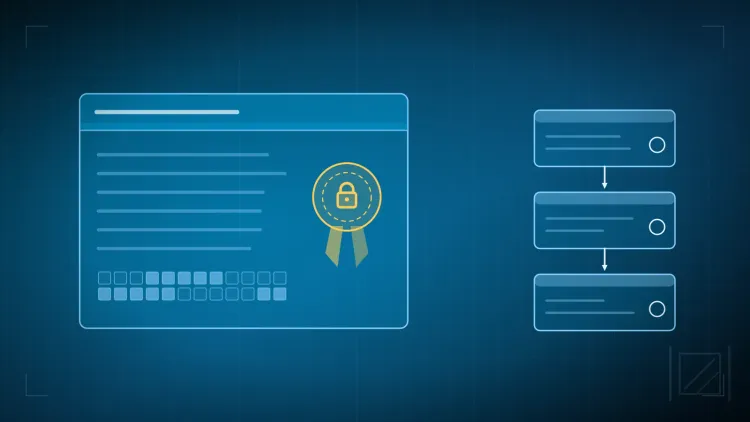
Convert an X509v3 Binary Security Token to PEM Format
This tutorial describes how to convert a Binary Security Token extracted from a SOAP message into a valid PEM format that can be read by openssl or similar tool. If you are ever troubleshooting the use of X509v3 certificates used with WS-Security, this can come in very handy.
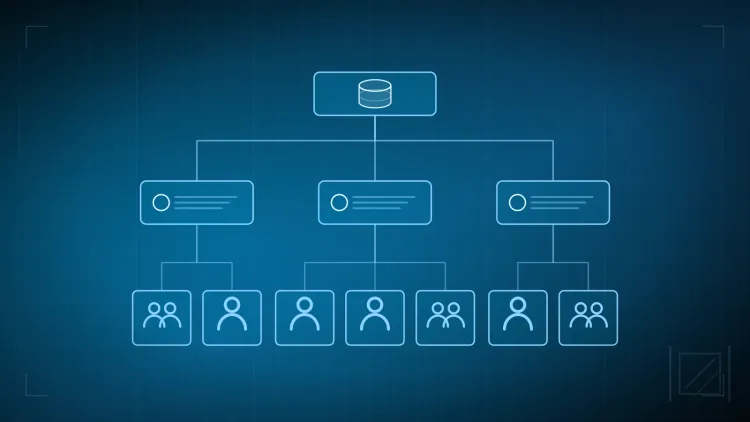
Active Directory Return Codes
While working with DataPower and Active Directory (acting as the User Repository) I have often run into situation where AD returns an LDAP error code 49 plus a sub-code in the error string that is unique to AD. The sub-code can be very useful to troubleshooting, if you know what it means.
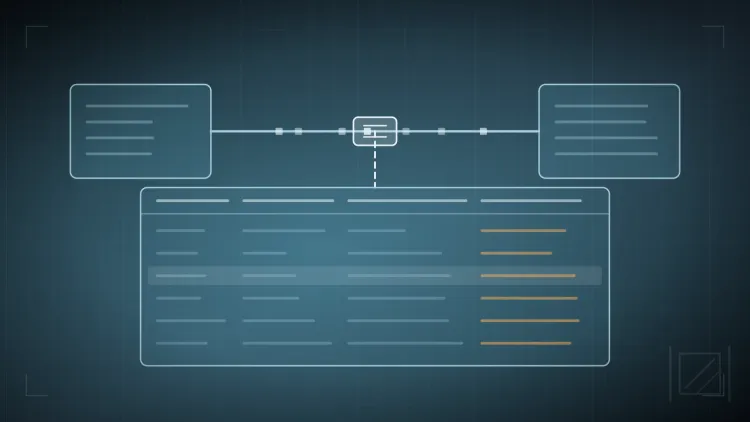
Capturing Network Communication Between Two Processes On the Same Machine…
Have you ever run snoop on Solaris or tcpdump on Linux or AIX and discovered that these tools cannot capture IP-based communication that occurs between two processes on the same machine? Or, Wireshark (formerly, Ethereal) on Windows? Only to discover the same limitation?
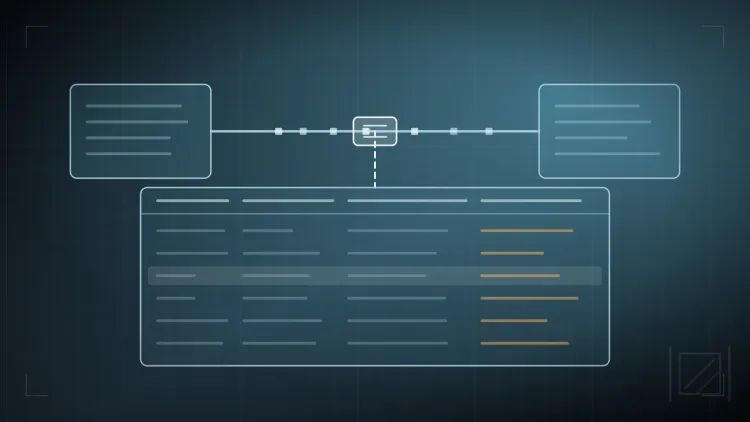
Capturing JVM TCP Traffic
Any time you have a distributed application, there is network communication involved. Capturing this network traffic can be instrumental in diagnosing and solving problems. Generally, to capturing network traffic, superuser privledges, timing, and a bit of luck is needed. Often, the appropriate…
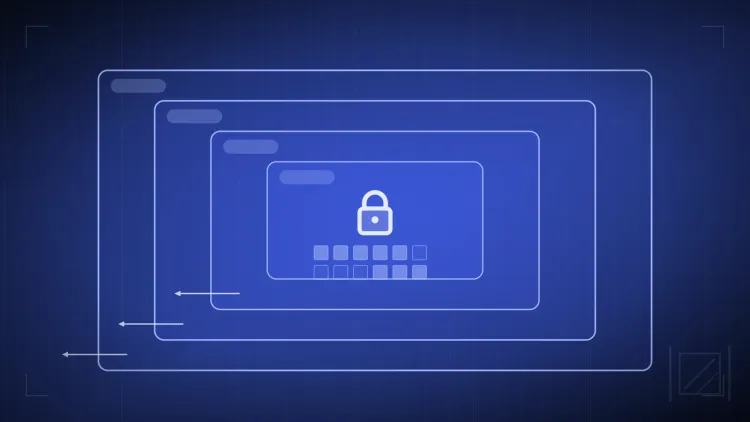
Websphere v6.x Classloaders
Building on the ideas introduced in the last article, a J2EE Application servers classloaders are explored in this installment. In particular, Websphere Application Server v.6.x Classloaders are introduced. The J2EE Spec provides some guidance regarding J2EE Application Servers, but as with so many…

Java Virtual Machine Classloaders
Classloaders are responsible for finding and loading classes that are requested in Java code executed inside a Java Virtual Machine. Classloader-related issues are among the most difficult to troubleshoot in the Java/J2EE technology stack.
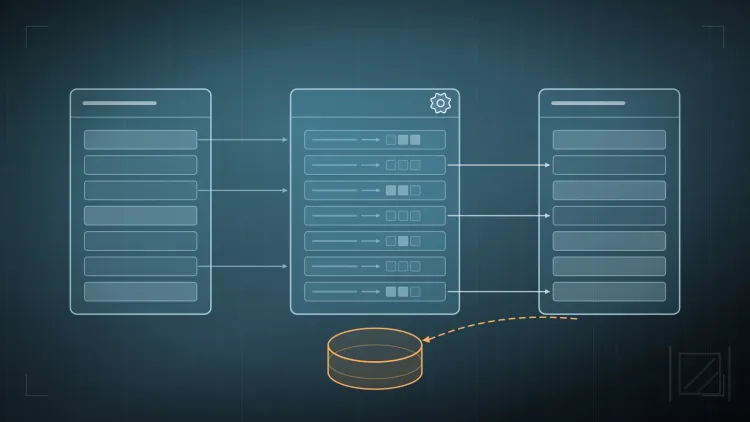
Virtual Memory — Linux
It has been a couple of weeks since the last article was published. Recently, I had to dig into Virtual Memory on AIX to work through some issues. I realized there were several details I needed to explore further to understand Virtual Memory implementations. In particular, the implementation…
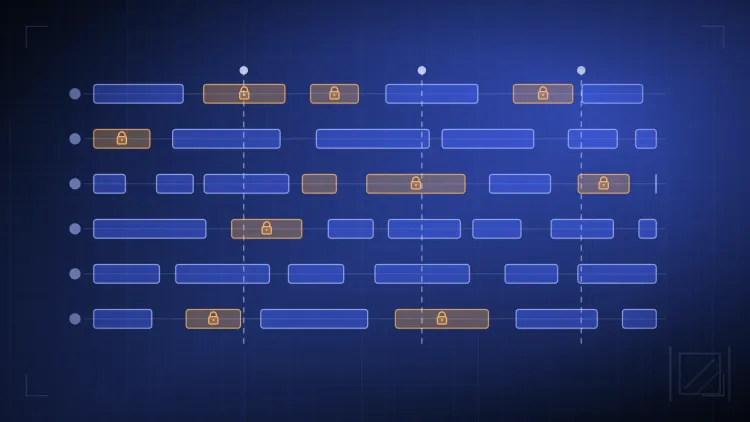
Concurrency And Server-Side Networking APIs — Part 4
The original article can be found here. Introduction
Concurrency And Server-Side Networking APIs — Part 3
This is part three of an exploration of how concurrency in networking APIs works in Unix-like operating systems and Java technology. This article now looks at the Java equivalents of several C-based server implementations that have been presented. If you haven’t read this series from the beginning,…
Threads, Threads Everywhere. And, Not a Needle In Sight
Several terms have been used liberally throughout articles on thinkmiddleware.com. A moment should be taken to formally define them. I am going to attempt to present these concepts in as generic a sense as possible, but the truth of the matter is, every OS has its own threading model and…
Mapping An LWP Using Excessive CPU Time To a Java Thread
It happens. End users are complaining about a slow system or a request that never returned. You log into a production middleware server and notice that a java process is consuming an entire CPU or worst every available CPU on the box. It has happened again–a thread(s) has gone into an infinite loop…