Convert an X509v3 Binary Security Token to PEM Format
This tutorial describes how to convert a Binary Security Token extracted from a SOAP message into a valid PEM format that can be read by openssl or similar tool. If you are ever troubleshooting the use of X509v3 certificates used with WS-Security, this can come in very handy.
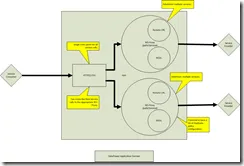
XML Digital Signatures
The XML DSig specification is used to provide digital signature functionality to XML Documents. It is is used by numerous other specs such as WS-Security and SAML2. This blog entry will describe how digital signatures work with an X509 private/public key pair.
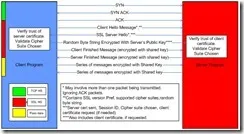
SSL Handshake—The Visual
This is an old picture that I made for a 2010 JBoss World security presentation. It came in handy not so long ago when I was explaining the SSL Handshake to someone.
Generating and Uploading a Shared Key (Symmetric Key) to DataPower Appliances
DataPower does not seem to provide a tool to generate a Shared Key that can be used with 3DES or AES algorithms. DataPower does provide a tool for generating X509 private keys, certificate requests, and self-signed certificates-in the Crypto Tools section-but we are concerned with Shared Keys…

JBossWorld 2010 Session — Securing JBoss Services
On June 24, 2010, I gave a presentation at JBoss World in Boston. This was my second time at JBoss World. The presentation covered Securing JBoss Services. It explored the use of JaasSecurityDomain MBeans to configure SSL in JBoss 4.3 (also relevent for newer versions of JBoss) for various…
Part 2: Custom Client-Server Java Application That CommunicatesOver A Mutually Authenticated SSL (MASSL) Connection
This is the second of a two-part series discussing Java and Mutually Authenticated SSL. This will gave you a taste of how a J2EE container is communicating (over SSL or MASSL) behind the scenes.
Part 1: Creating your own SSL certificates for a custom Java client-server application
If you replace the steps for creating your own CA private key & certificate and signing your own certificate (with the CA) with having certificates signed by a legitimate Certificate Authority, you've got the basic idea behind creating/ordering certs for most situations.