
HTTP POST vs GET: Is One More Secure For Use In REST APIs?
The use of HTTP POST vs HTTP GET for read-only (or query) operations in REST APIs recently came up in a conversation. For this particular shop, there had been a long-standing ban on the use of GET requests for use in homegrown applications. This had been the case since before REST APIs were in…
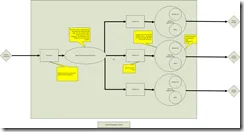
SOA Specs Visualized
In a previous blog post, I listed a number of SOA Specs and Security Specs that I thought were important to be familiar with when working with DataPower and other SOA technologies. In this post, I made a quick (and dirty) Visio diagram that I tend to draw up on a whiteboard when I’m at a new client…
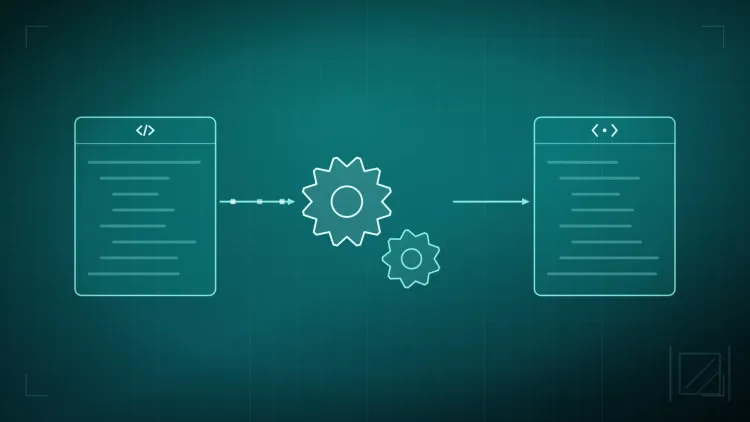
Protocol Transformations
Previously, I wrote a Wire Protocols post that outlined the common protocols that I’ve encountered when working with ESBs and SOA technology-especially DataPower. A primary function of an ESB is to provide the ability to convert service requests between these different protocols in a mostly…

Wire Protocols
Like so much of our computer industry, the ecosystem around SOA has many acronyms, buzzwords, and phrases that are supposed to mean something. Likewise, this jargon may be poorly defined or ambiguous. The posts that I have made over the past few months are slowly building up a common vocabulary…
What is a Service Consumer?
A Service Consumer is any tier of an organization’s systems that calls web services. These services could be implemented by SOAP, REST, XML over HTTP, EJBs, JMS or MQ applications, RMI, RPC, invocation of COBOL programs on a mainframe with 3270 screen-scraping, communication over a custom TCP…
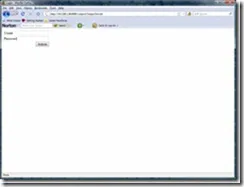
HTTP Client – Form-Based Authentication
This article continues the discussion started in the Servlet Authentication article. Here we discuss Form-Based authentication; another common form of authentication when Servlet technology is used.
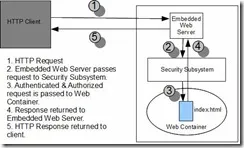
Servlet Container Authentication
There are three required authentication mechanisms supported by a compliant Servlet Container: HTTP Basic Authentication, Form-based Authentication, and CLIENT_CERT authentication. There is a fourth authentication method, DIGEST, that isn’t used very often in my experience. This final…
HTTP(S) URLs & Context Roots
What is a URL? What is a context root? It’s helpful to understand these things when writing or working with web applications.
URL & HTML Character Representation
I’ve had to look up the HTML codes for special characters like space many times. In fact, while writing blog entries for Thinkmiddleware.com, I’ve had to stop and look up the HTML code for less-than sign and greater-than sign one to many times. I just haven’t bothered memorizing them.
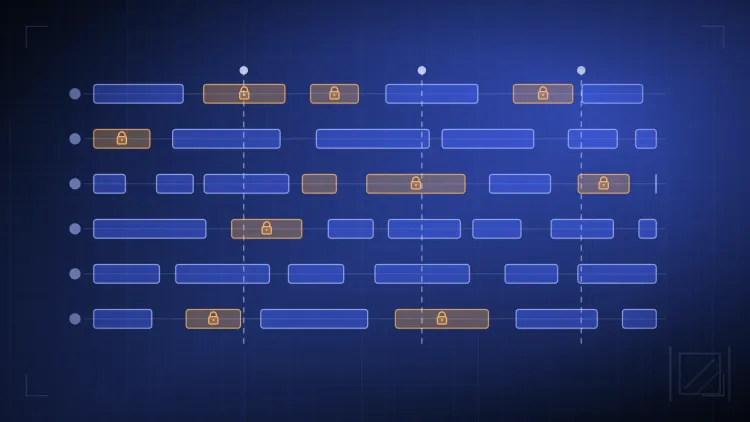
Concurrency And Server-Side Networking APIs — Part 4
The original article can be found here. Introduction
Concurrency And Server-Side Networking APIs — Part 3
This is part three of an exploration of how concurrency in networking APIs works in Unix-like operating systems and Java technology. This article now looks at the Java equivalents of several C-based server implementations that have been presented. If you haven’t read this series from the beginning,…
Concurrency And Server-Side Networking APIs — Part 2
In the second part of this series we continue to explore how Unix-like operating systems implement the networking API and threading API. In particular, we are supremely interested in how the kernel allows server programs accept incoming connections. Part two explores implementing concurrency in…